Settlement
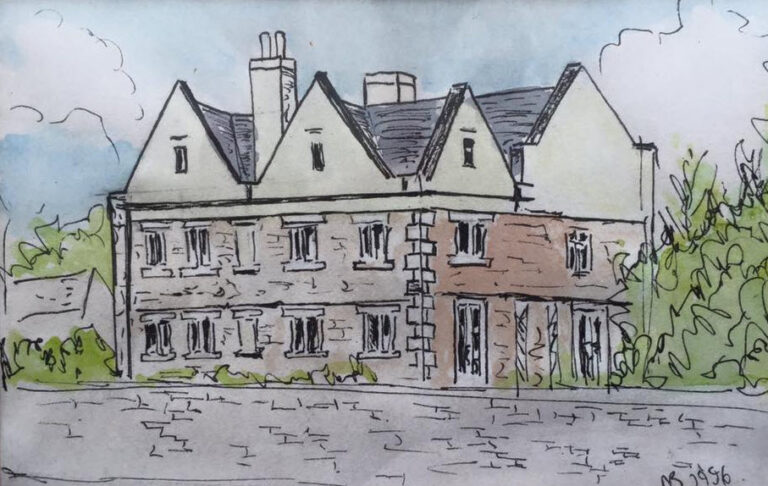
This section provides a detailed examination of the parish and its defining physical and human characteristics. It explores the natural landscape, the historical development of settlements, and the evolution of the built environment, highlighting the interplay between geography and human activity. The aim is to establish an understanding as to of how the parish has developed over time, both in terms of its physical setting and the ways in which its inhabitants have shaped and adapted the landscape.
The section is divided into the following subheadings:
- Boundaries and Parish Origins – This subsection outlines the geographical extent of the parish, tracing the historical origins of its boundaries and discussing any administrative changes over time. It examines documentary and cartographic sources that shed light on how and why the parish was defined as it was, including the influence of natural features, historical land divisions, and ecclesiastical or manorial jurisdiction. Any significant changes to the parish boundaries, whether due to local government reorganization or shifts in land use, are also explored.
- Landscape – This part of the section describes the physical geography of the parish, covering aspects such as topography, geology, and hydrology. It examines how the natural environment—rivers, hills, valleys, soil composition, and vegetation—has influenced land use, agriculture, and settlement patterns.
- Population – An overview of the parish, detailing historical population trends from available census data, parish registers, and other records. This subsection explores the factors influencing population growth or decline, including migration, employment opportunities, changes in industry and agriculture, and major historical events such as wars or epidemics. It also considers social composition, household structures, and the evolving economic profile of the parish’s inhabitants.
- Settlement – This subsection investigates the distribution and development of settlements within the parish, from early habitation sites to modern residential areas. It discusses the factors that influenced the choice of settlement locations, such as access to water, fertile land, or transport routes. The historical evolution of the villages is traced with key themes including the impact of enclosure, industrialisation, and infrastructure developments such as roads, canals, and railways.
- Land ownership – This section traces the land ownership in Stapleford from Saxon times to the present day.
- The Built Character – This final subsection examines the architectural and structural characteristics of the parish, considering the styles, materials, and functions of buildings across different periods. It highlights notable structures, such as churches, manor houses, farmsteads, and workers’ cottages and considers the impact of modern development, conservation efforts, and planning regulations on the built environment.